Oklahoma State Vintage SVG: Embroidery Design Review
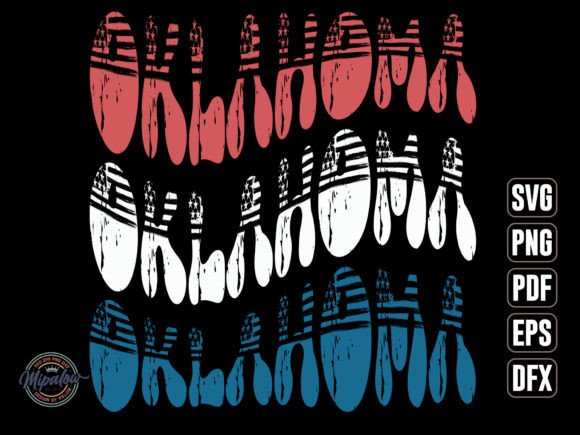
When I first pulled up the Oklahoma State Vintage Svg Sublimation file, I wasn’t looking at it as a typical cut-ready graphic. I was sizing it up for stitch work. Right away, the mood hit me: warm, nostalgic, and full of that slightly worn-in collegiate soul. The layout reads like a classic retro athletics mark, the kind that looks just as good on a faded crewneck as it does on a structured tote bag. What I care about as a designer is whether that character holds up after it’s been digitized, hooped, and stitched onto something real. And honestly, this one has strong bones for embroidery.
I’ve been in this craft long enough to know that a pretty SVG doesn’t always translate to a clean embroidery design. But the Oklahoma State Vintage Svg Sublimation file has a lot going for it. The shapes are bold without being overly chunky. The vintage typography has just enough detail to feel authentic, but not so much that it’ll turn into a muddy mess of tiny stitches. The distressed edges, which look great in print, would need careful handling in embroidery—but that’s a creative challenge, not a flaw. If you’re a maker who digitizes your own designs, this is the kind of artwork that actually makes you eager to open your software and start mapping out satin columns and fill areas.
What I appreciate most from a reviewer’s standpoint is that the product description is honest about what you’re getting: Included files that are ready for your cutting machine. Create adorable shirts, wall decals, tumbler decals, and so much more high-res files designed at 300dpi. THIS LISTING IS FOR DIGITAL FILES ONLY. That matters. It means you’re buying a clean, print-ready graphic, and you’re expected to do the embroidery conversion work yourself. The 300dpi resolution is a solid starting point for digitizing—no jagged edges, no guessing at small details. But let’s be clear: this is not an embroidery file. You won’t find a .pes or .dst inside. And that’s fine, as long as you know what you’re signing up for. I’d rather see a candid listing like this than one that overpromises stitch-ready formats that don’t exist.
First Look: What the Design Actually Feels Like
There’s a quiet confidence in the vintage aesthetic here. It’s not trying to be loud. The Oklahoma State Vintage Svg Sublimation graphic leans into a nostalgic, almost archival feel—think old gym banners, faded pennants, and campus bookstore treasures from decades ago. The composition feels balanced, with a strong central wordmark and subtle decorative elements that give it depth without clutter. For an embroidery project, this kind of layout is a gift. It means you can scale it to fit a left-chest logo spot on a polo, or blow it up for a full back patch on a denim jacket, and it won’t lose its visual identity.
I can already imagine this stitched out in a soft cream and burnt orange thread palette on a heathered gray sweatshirt. Or maybe reversed out in white on a deep navy cap. That’s the beauty of a graphics asset like this: it doesn’t dictate your thread choices. You get to decide how the vintage mood translates into fiber. And because the original file is clean, you can test color variations in your digitizing software without fighting a messy base.
Where This Design Shines in Embroidery
If I were building a small-batch product line for a craft fair or an Etsy shop, I’d put this design on four specific items without hesitation. First, a structured tote bag—the kind with a flat canvas front that holds dense stitches beautifully. Second, a unisex crewneck sweatshirt, where the vintage vibe feels right at home. Third, a simple twill cap, because the layout scales down nicely for curved surfaces. Fourth, a kitchen towel set, using a single-color stitch version for a subtle, personalized gift. In each of these cases, the Oklahoma State Vintage Svg Sublimation graphic adds a layer of nostalgia that customers genuinely respond to. It’s not just a logo; it’s a story.
For baby items and nursery decor, I’d be a little more cautious. The vintage theme works, but the detail level—especially around smaller text elements—might get lost in a tiny hoop. I’d recommend testing a simplified version if you’re going for a onesie or a mini pillow cover. The same goes for stretchy fabrics like performance tees. The design isn’t overly dense, but any retro graphic with multiple small islands needs a solid cutaway stabilizer and a slow stitch speed to avoid puckering on knits. Trust me, I’ve learned that lesson the hard way with similar font-forward designs.
Stitch Quality and Detail Considerations
Here’s where the designer eye really comes into play. The Oklahoma State Vintage Svg Sublimation file includes some distressed texture and slight irregularities that give it that old-school charm. In embroidery, you can’t just run a distressed edge as a fill stitch and expect it to look intentional. You have to make choices. Do you replicate the weathered look with a satin stitch that has a jagged edge? Or do you clean it up into a crisp, smooth finish for a more polished product? Neither is wrong. It depends on the customer. For a boutique apparel line, I’d lean toward a slightly cleaned-up version. For a one-off patch on a vintage-style jacket, I’d embrace the grit and map out a few random stitch gaps to simulate the worn look.
Small lettering is another thing I always inspect. The file’s resolution is high enough that I can zoom in and see clear outlines, but the moment you shrink this under 3 inches wide, the tiny details will start to close up. If you’re planning a patch smaller than a coaster, test the digitized version on scrap fabric first. Check that the thread colors contrast well against the background. Sometimes a design that looks bold on a white screen disappears into a dark fabric because the stitch density wasn’t adjusted. I always run a black-and-white printout of the design to see how it reads in monochrome. That quick test has saved me from more failed stitch-outs than I can count.
Real Project Walkthrough: A Custom Embroidered Tote
Let me walk you through a real scenario from my own studio. I recently had a client who wanted a thoughtful gift for a graduate—something handmade, not off-the-shelf. I pulled up the Oklahoma State Vintage Svg Sublimation file, digitized it with a mix of satin stitch for the main lettering and a light fill stitch for the background shield, and hooped a 10-by-10-inch piece of medium-weight canvas with a medium-weight cutaway stabilizer. The thread palette was simple: cream, rust, and a muted gold. The stitch-out took about 25 minutes, and the result was stunning. The vintage personality translated perfectly, and the finished tote looked like a premium boutique item. The client was thrilled, and I’ve since added the design to my small-batch handmade product lineup. That’s the kind of practical value a good graphics asset brings to a craft business.
What to Watch Out For in Production
I’m a stickler for testing, and I’ll say it plainly: do not run this design on a final product without a stitch-out on similar fabric. The vintage style can trick the eye. What looks like a delicate detail on screen might become a dense, heavy area that feels stiff on a garment. If you’re using it on a cap, double-check the curvature. The design’s horizontal layout is forgiving, but the outer edges might need a slight arc adjustment in your digitizing software to avoid distortion on the sides of a structured hat. Also, keep an eye on thread tension. Designs with both wide satin columns and narrow fill areas can pull at different rates, and you don’t want puckering around the edges of a tote bag or a pillow cover.
For dark fabrics, always consider an underlay stitch. The Oklahoma State Vintage Svg Sublimation file is a digital artwork, so it’s up to you to build the underlay that keeps your thread colors true. I’d recommend a center walk underlay for the larger lettering and a zigzag underlay for the decorative borders. And don’t forget about stabilizer choice. A tear-away is fine for flat, non-stretchy items, but grab a fusible mesh or a heavy cutaway if you’re working with anything that has give. These are the details that separate a professional finished product from a homemade-looking one.
Commercial Potential and Small Shop Appeal
From a business perspective, the Oklahoma State Vintage Svg Sublimation design hits a sweet spot. Collegiate-inspired and vintage themes are consistently popular on Etsy, at craft fairs, and in boutique shops. The design is recognizable without being generic, and it carries an emotional pull that makes it giftable. I’ve seen similar designs move quickly as embroidered patches, framed hoop art, and personalized sweatshirts. What I value most is that the file is clean enough to use as a design asset in multiple ways—even for printable mockups and digital product previews. If you sell embroidery patterns or custom digitizing services, this graphic can serve as a strong visual in your shop listings, as long as you respect the usage terms.
Speaking of terms, here’s a necessary reminder: the listing clearly states it’s a digital file only. Before you use the Oklahoma State Vintage Svg Sublimation design on items you plan to sell, check the licensing. Some graphics files come with personal use only, while others allow commercial use with limitations. Don’t assume. A quick message to the seller can save you a headache down the line. The same goes for digitizing and selling the resulting embroidery file. Respect the original artwork’s copyright, and your craft business will stay on solid ground.
Final Design Notes for Makers
I keep a running list of things I check before committing an SVG to an embroidery project, and I’ll share it here because it applies directly to the Oklahoma State Vintage Svg Sublimation:
- Zoom in on the text and thin lines. Are they readable at your intended stitch size?
- Test the design in black and white to see if the values hold up without color.
- Evaluate the total stitch area. Will it fit comfortably in your hoop without crowding the edges?
- Digitize with fabric type in mind. A fill stitch on a plush towel behaves differently than on a smooth canvas.
- Consider the end user. Is this a gift that will be washed often? If so, choose durable threads and a permanent stabilizer.
What I come back to is this: the Oklahoma State Vintage Svg Sublimation is a strong starting point for a memorable embroidery project. It’s not an instant stitch-out, but it’s a well-crafted graphics asset that gives you room to apply your own design judgment. There’s a quiet confidence in the vintage layout, and when you translate it into thread with a little care, the result has real handmade appeal. Whether you’re stitching a single patch for a friend or building a cohesive product line for your small shop, this design is worth the time it takes to digitize and test. I’d happily use it again in my own work, and I think the right maker will find it becomes a quiet favorite in their collection of design assets.