Pizza SVG Design Bundle: Playful Graphics for Crafts & Content
Unzipping the Pizza SVG Design Bundle feels like opening a drawer full of visual ingredients that are ready to be arranged into something deliciously clickable. The first thing that hits me is how immediately the motifs communicate warmth, comfort, and a kind of casual celebration. This is not a stiff, overly polished collection. It leans into a bold, decorative, and slightly whimsical editorial mood that can make a food blog, a lifestyle website, or a creative newsletter feel more approachable within seconds. As a blog designer, I look for assets that do more than fill space. I look for graphics that set a tone. This bundle sets a tone that is playful, inviting, and unmistakably appetite-driven.
From a publisher's perspective, the visual language here is flexible enough to support a range of content niches. It naturally fits recipe blogs, family lifestyle sites, restaurant review platforms, kids' activity pages, party planning guides, and even seasonal content built around game nights, Super Bowl spreads, or summer cooking features. The hand-drawn and illustrative qualities of the pizza graphics bring a crafted, human touch that stock photography often lacks. When a reader lands on a blog post, the images they see in the first three seconds shape their expectation of the content quality. This bundle helps create a stronger first impression by signaling that the publisher has invested in cohesive, personality-rich visuals rather than generic clip art or overused stock photos.
What the Design Style Communicates Before a Reader Scrolls
Every graphic asset speaks before the headline does. The Pizza SVG Design Bundle communicates a blend of nostalgia and modern craft sensibility. The pizza slices, whole pies, ingredient motifs, and typographic accents feel suited to a lifestyle-focused, food-obsessed, and joyfully unpretentious content brand. I can see these graphics strengthening the visual identity of a food blogger who wants their featured images to feel like a Saturday afternoon in a sunny kitchen rather than a sterile product shot. The mood is warm, slightly retro in places, and polished enough to look intentional on a professional website. For publishers in the Crafts space, these designs also open doors to printable projects, iron-on transfers, sticker sheets, and digital party decorations. The crossover between digital publishing and handmade crafts is real, and this bundle sits comfortably in both worlds.
When I test a design asset for editorial use, I ask whether it can hold its own beside a strong headline, a serif font, or a minimalist layout. These graphics pass that test. The bold outlines and generous shapes give them enough presence to anchor a website header or a Pinterest pin without getting lost. They also have enough breathing room in their composition to let text overlay work without feeling crowded. That balance between decorative energy and functional white space is what separates a hobbyist graphic from a commercial design asset worth publishing.
Where This Bundle Shines in a Real Publishing Workflow
Over the years, I have built hundreds of blog layouts, editorial calendars, and content upgrade systems. I have learned that the most useful graphic resources are the ones that can move across multiple publishing surfaces without losing their impact. The Pizza SVG Design Bundle excels in several key areas that matter to content creators and digital marketers.
For blog featured images, these graphics offer a quick way to create category-specific hero visuals that feel handcrafted and intentional. A pizza-themed roundup post, a recipe collection, or a cooking tips article instantly looks more polished with a custom graphic that ties the topic together. The transparency in the PNG files makes layering over photography or colored backgrounds effortless, which is essential for maintaining consistent branding across a content library.
For Pinterest pins, the bold shapes and clear food imagery have strong stopping power in a crowded feed. Pins that use illustrative elements often outperform purely photographic pins in certain food and lifestyle categories because they feel more like a curated recommendation than a commercial ad. The SVG and EPS files allow for resizing without quality loss, which means the same graphic can power a tall Pinterest pin, a wide website header, and a square social media graphic without pixelation. That kind of scalability is a quiet superpower for busy publishers who need to repurpose visuals across platforms.
For newsletter headers and digital guides, the pizza graphics add a layer of personality that makes emails feel less transactional and more like a note from a trusted friend. A lead magnet about meal planning, a downloadable recipe card, or a content upgrade checklist all benefit from a decorative accent that reinforces the topic while keeping the design visually engaging. The bundle includes enough variation to avoid repetition, which is critical for publishers who send weekly newsletters and need fresh visual cues without commissioning new artwork each time.
File Format Flexibility and What It Means for Publishers
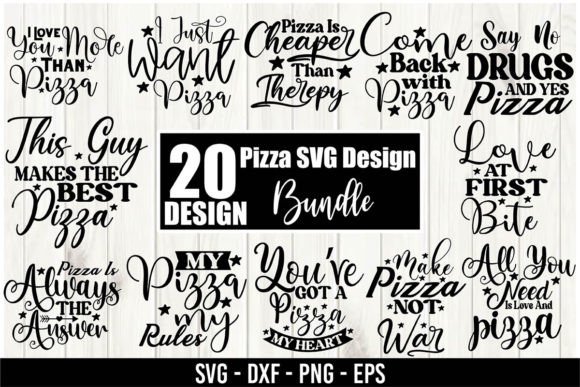
When I evaluate a digital download like this one, I pay close attention to the file format list because it tells me how many publishing tools and workflows the asset can actually support. The Pizza SVG Design Bundle includes twenty SVG files, twenty PNG files with transparent backgrounds, twenty DXF files, twenty EPS files, and twenty AI files. Everything arrives compressed into a single ZIP archive, which is standard and straightforward for any designer or publisher who has worked with creative marketplace downloads before.
The SVG files are the stars for web publishing. They are lightweight, infinitely scalable, and can be styled with CSS if needed. For a blogger who uses WordPress, Squarespace, or a custom site, SVGs keep page load times low while delivering crisp visuals on retina screens. The PNG files are the practical workhorses for quick placements in Canva templates, email builders, and social media schedulers. Having transparent backgrounds on every PNG removes the tedious step of background removal, which saves real time during a content production sprint. The EPS and AI files are essential for print projects, editorial layouts, and any publisher who wants to create printable designs, digital products, or media kits that need to look professional in both digital and physical formats. The DXF files add compatibility for cutting machines, which is a thoughtful inclusion for the Crafts audience that wants to turn these graphics into vinyl decals, heat transfers, or physical merchandise.
How These Graphics Support Content Performance
Visual assets are not just decoration. They directly influence click-through potential, time on page, and reader trust. A well-designed article thumbnail in a related posts section can keep a reader browsing for five more minutes. A clean, recognizable graphic at the top of a newsletter can increase open rates over time by building visual recognition. The Pizza SVG Design Bundle supports these performance goals by giving publishers a consistent visual vocabulary they can apply across touchpoints. When a reader sees a pizza graphic in a Pinterest pin, then clicks through to a blog post, then sees a matching style in a downloadable recipe card, the experience feels cohesive. That cohesion builds brand identity and signals editorial professionalism.
These graphics also help with category recognition. If a food blog uses a specific pizza illustration style for all Italian recipes, readers learn to associate that visual cue with a specific content type. Over time, that speeds up browsing and encourages deeper engagement. The bundle provides enough distinct pizza designs to create a visual system without overwhelming the publisher with too many choices. Twenty variations strike a useful balance between variety and curation.
Crafting Visual Hierarchy With Pizza Motifs
One of the most underrated uses of illustrative graphics in blog design is establishing visual hierarchy within an article layout. A well-placed pizza graphic can serve as a section divider, a callout accent beside a key tip, or a playful marker for a list of ingredients. The SVG files in this bundle can be recolored, resized, and arranged to match the blog's existing color palette, which is a crucial advantage. A publisher who uses warm terracotta and cream tones can adjust the graphics to blend seamlessly, while a publisher with a bright, pop-art aesthetic can push the colors toward bold primaries. That flexibility keeps the asset relevant across seasons, redesigns, and evolving brand guidelines.
For affiliate content visuals, these graphics can add editorial warmth to product roundups, kitchen equipment guides, or gift lists. Instead of relying solely on manufacturer photos, a publisher can create a custom collage that features the pizza graphics alongside product images, creating a more editorial and less commercial feel. This approach often performs better on platforms like Pinterest and Flipboard, where overly promotional visuals get scrolled past. The graphic design asset becomes a framing device that elevates the entire content piece.
Where to Use These Graphics With Strategic Care
No design asset is universally perfect for every publishing context. The Pizza SVG Design Bundle works brilliantly in food, lifestyle, family, and craft niches, but it should be used thoughtfully in settings that demand a more restrained or corporate visual tone. On small mobile screens, the finer details of some decorative pizza illustrations may lose clarity when compressed into a tiny article thumbnail. I always recommend testing how a graphic reads at 150 pixels wide before committing it to a category grid or a related posts widget. Some designs thrive at small sizes, while others need a bit more breathing room to communicate effectively.
Text-heavy blog images also require careful pairing. If a blog post title is long or the headline font is highly decorative, overlaying it on a busy pizza graphic can create visual clutter. The best practice is to use the simpler, more open compositions from the bundle for text-heavy layouts, and reserve the more detailed illustrations for hero images or standalone accents. Testing contrast is essential. A pizza graphic with warm, mid-tone colors may get lost on a beige or cream background, so checking the readability of any overlaid text on desktop and mobile screens is a non-negotiable step in my publishing workflow.
For publishers in serious professional niches such as finance, law, or corporate consulting, these graphics will feel out of place unless the content is specifically about a casual team event or a holiday party post. The bundle is designed for expressive, consumer-facing content, and trying to force it into a minimal corporate visual system would undermine both the brand and the asset. Knowing where a graphic belongs is as important as knowing how to use it.
Practical Publisher Testing Before You Go Live
Before I publish any graphic asset on a monetized website, I run through a checklist that has saved me from visual embarrassment more than once. I always test the graphic on desktop and mobile screens at actual publishing sizes. An image that looks charming at full width can become a smudge in a mobile thumbnail if the line weights are too thin or the composition is too detailed. I also preview the graphic inside a real blog layout with actual headline text, not just in isolation. How does it sit beside a serif font? Does it clash with a script font? Does it feel balanced next to a sans serif headline? These questions matter because the final design is always a collaboration between the graphic and the typography.
I also check the graphic in black and white to understand its structural contrast. A design that depends entirely on color for its impact may fail in grayscale email previews or when printed on a black-and-white worksheet. The best assets in this bundle hold their shape even when color is stripped away, which speaks to the quality of the underlying illustration work. File size is another practical concern. For web performance, I compress PNG files appropriately and serve SVGs wherever possible to keep page load times fast. A beautiful graphic that slows down a site hurts the user experience and the search rankings.
Finally, I always confirm the commercial licensing terms before using any digital download on monetized websites, affiliate pages, or paid content products. The ability to use these graphics in commercial design projects, digital guides, lead magnets, and social media graphics for a business is what makes the bundle valuable to a professional publisher. A personal-use-only license would severely limit the return on investment for anyone running a content business. Checking this upfront is a habit that protects both the publisher and the original designer.
Building a Visual System Around a Single Purchase
One of the smartest moves a content publisher can make is to build a visual system around a cohesive set of graphics rather than grabbing random images from different sources. The Pizza SVG Design Bundle makes this feasible because the twenty designs share a consistent illustrative style, line quality, and aesthetic sensibility. A publisher can use one pizza graphic for the blog hero image, another for the Pinterest pin, a third for the newsletter header, and a fourth for the lead magnet cover, and the entire ecosystem feels intentionally designed. This kind of creative design consistency is what separates a hobby blog from a professional media property.
For small business branding in the food space, these graphics can extend beyond the website into printed menus, window decals, loyalty cards, and event signage. The EPS and AI files make professional printing straightforward, and the transparent PNGs are ready for Canva templates that team members can use without access to professional design software. The bundle becomes a brand identity toolkit that grows with the business, not a one-time decoration that gets used once and forgotten.
As a digital publisher, I evaluate every graphic design asset by asking whether it solves a real publishing problem. The Pizza SVG Design Bundle solves the problem of creating warm, engaging, and professionally cohesive food content visuals without hiring an illustrator for every project. It gives bloggers, content creators, and small business owners the raw materials to build memorable, clickable, and trustworthy visual content. In a publishing landscape where attention is the scarcest resource, that is a genuine advantage.